Non-Emergency Medical Transportation: What It Is And Who Should Use It?
There are two kinds of medical attention based on the urgency of treatment required, emergency and non-emergency medical treatment. For the former, ambulances and sometimes helicopters, may be used to transport patients in need of urgent medical attention to a trauma unit or hospital. Here, time is of the essence, and medical ambulances used are fully equipped to handle a wide range of emergency cases and are commonly escorted by trained paramedics.
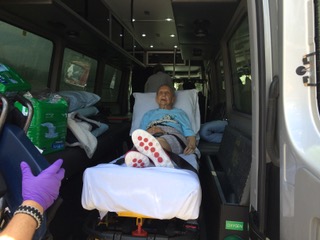
However, non-emergency medical transportation attends to medical transportation needs that do not require urgent medical attention, but where the patient being transported still requires a certain level of medical care, assistance, and attention en-route the journey to a hospital, clinic, or rehab center. On such a trip, the person being transported will be looked after, cared for, and essential medical treatments may be administered if the need arises.
Non-emergency medical transport services are less focused on administering emergency medical attention – as most times, both the accompanying staff and the vehicle will lack the skill and equipment to do so – but rather ensuring that the transported patient which could be elderly, handicapped, frail, or obese, is transported to their destination in the safest and most convenient manner.
It’s essential to understand the difference between an emergency and non-emergency medical transport service, as this can help you understand scenarios where either of them may or may not be helpful.
Succinctly put, emergency medical transport services are for medical emergencies, while non-emergency medical transport services are for transporting patients that aren’t in dire need of medical attention.
Below is a comprehensive but non-exhaustive list of people that can use non-emergency medical transport services;
The Elderly
Mobility reduces with age, and so do visibility and reflexes. Thus, as most people start to age, typically from the age of 60 and above, they may have trouble driving or getting around quickly. This is especially important since most older people will, on average, require more medical attention than a relatively younger person. Thus, older adults can take advantage of non-emergency medical services to meet up with their doctor’s appointments or their routine check-ups at a clinic.
Recovering Patients
After undergoing a major surgical procedure, in a medical rehabilitation process, or with a chronic medical condition such as one that requires dialysis, the patient may need to shuttle between their home and the hospital continually. At this stage, it is essential to realize that the recovering person is most likely not in peak physical condition, and as such, driving themselves or using a public mode of transportation, may both be unsafe and inconvenient. For such patients, they may require essential non-emergency medical care and attention during the drive to the hospital. This is especially crucial if it’s going to be a long trip, as they would require all the help and support that they can get throughout the journey.
Cross Country Travel
The elderly, obese, disabled, or recovering patients may need to be moved a considerable distance for specific reasons. When the need for a long journey ensues, it is vital that the person being transported is well looked after and monitored for the entire duration of the trip. At least one accompanying medical staff will accompany the patient, and a loved one may also join the ride. Non-emergency medical transportation for this purpose will be refitted to provide maximum comfort for the transported patient. Also, medication and basic life, saving medical kits and equipment will also be available.